Quick Summary: The Delhi High Court has temporarily stopped the notices issued by the National Commission for Scheduled Tribes (NCST) to IFCI Venture Capital Funds Ltd. This case is about a business disagreement involving a loan to Harleys India Private Limited. The court decided that the NCST went beyond its authority.
On December 3, 2025, the Delhi High Court, led by Judge Mini Pushkarna, looked at a request from IFCI Venture Capital Funds Ltd. The company was challenging notices dated October 3 and November 26, 2025, from the NCST. These notices were about a complaint filed by Harleys India Private Limited (HIPL), a company started by a Scheduled Tribe businessperson.
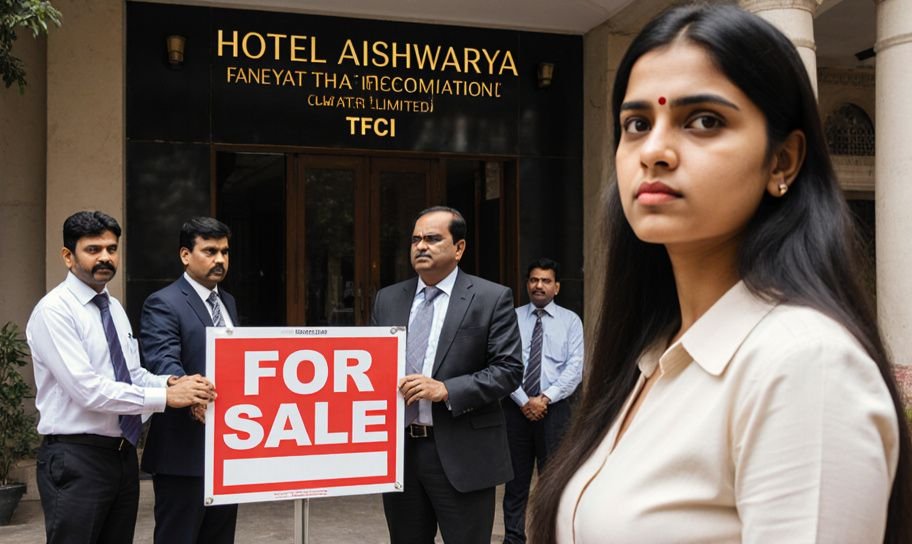
Harleys India Private Limited had asked for financial help under the Venture Capital Fund for Scheduled Tribes (VCF-ST) to begin a manufacturing project in Telangana. However, the loan wasn't given because HIPL didn't meet the conditions required before getting the loan. Despite this, HIPL complained to the NCST on September 24, 2025, saying there was a delay and unfair treatment by IFCI Venture Capital Funds Ltd.
"The complaint describes a purely commercial/monetary grievance," noted IFCI Venture Capital Funds Ltd, emphasizing that it did not involve any deprivation of constitutional or statutory rights.
The NCST sent a notice on October 3, 2025, asking IFCI Venture Capital Funds Ltd's Managing Director to send a factual report. Even though IFCI replied in detail on October 15, the NCST set a hearing for December 5, 2025, requiring the Managing Director to personally attend with all original records.
The court noted that the NCST did not have the authority in purely business disagreements. It mentioned previous cases, like Axis Bank Limited vs. NCST, to point out that commissions should not call in senior officers unless absolutely necessary.
"Such summons to senior most officers or heads of organisations cannot be issued as a matter of routine," the court reiterated.
Judge Mini Pushkarna temporarily stopped the notices and proceedings until the next hearing on March 2, 2026. The court stressed that the case was about a business disagreement, not issues under the Scheduled Castes and Scheduled Tribes (Prevention of Atrocities) Act.
The court decided to pause the actions taken by the NCST because it believed the NCST did not have the right to get involved in this business-related matter. The next hearing is scheduled for March 2026.