In a nutshell: On November 24, 2025, the Delhi High Court decided that a disagreement over the use of the "Pind Balluchi" trademark cannot be sent to arbitration because there are claims that the agreement with the arbitration clause might have been faked.
Who’s involved?
The case involves M/S Triom Hospitality, led by Mr. Sanjay Sharma, and M/S J.S. Hospitality Services Pvt. Ltd. The latter claims ownership of the "Pind Balluchi" name.
What’s the issue?
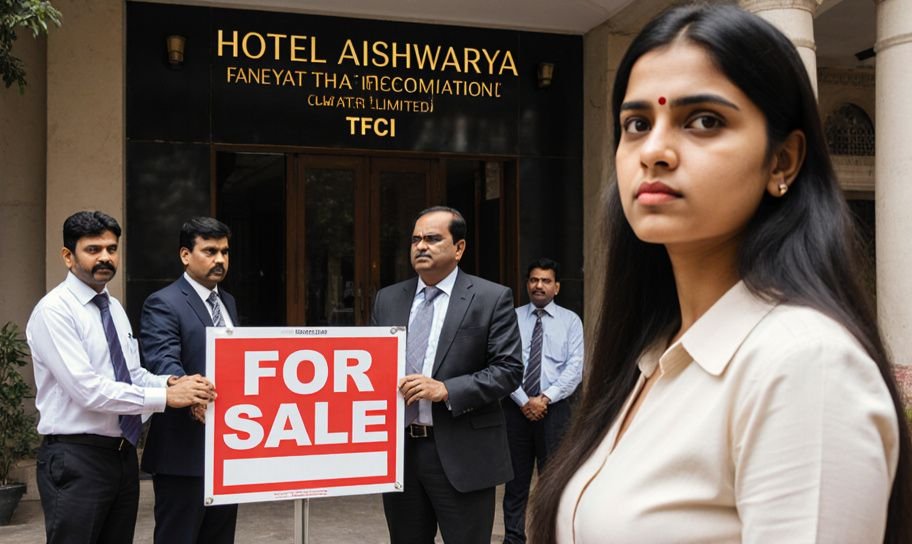
M/S Triom Hospitality was using the "Pind Balluchi" name for its restaurant in Dwarka, New Delhi. M/S J.S. Hospitality argued that this use was not allowed and was a violation of their trademark.
The Mysterious MOU
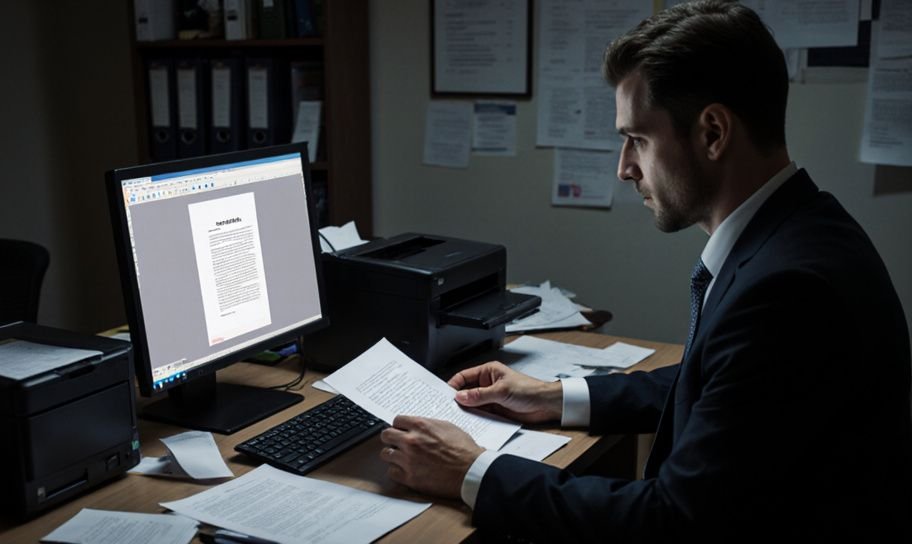
The problem centers around a Memorandum of Understanding (MOU) dated June 22, 2022, which supposedly included an arbitration clause. M/S J.S. Hospitality claimed the MOU was fake and never signed by them.
Court's Take
The Commercial Court initially refused to send the matter to arbitration, saying that the forgery claims needed a thorough check, which is not something arbitration can handle.
Appeal Filed
M/S Triom Hospitality challenged the decision, arguing that the disagreement should be solved through arbitration according to the MOU.
High Court’s Analysis
The Delhi High Court, led by Justices Om Prakash Shukla and C. Hari Shankar, looked into the case and decided:
- Initial Review: The court said its job is limited to a quick check of whether the arbitration agreement is valid.
- Claims of Forgery: Since the claims were serious and needed detailed proof, the court thought it was not right to send the case to arbitration.
Final Verdict
The court overturned the Commercial Court's order, allowing the appeal, and told the parties to go ahead with arbitration. The ongoing civil case was dismissed.
Arbitration Route
The parties are now directed to solve their disagreements through arbitration, as originally planned in the disputed MOU.
Legal Implications
This case shows the court's role in making sure arbitration agreements are valid and not affected by forgery or cheating.
This decision highlights the importance of having clear and real agreements in business partnerships, especially when trademarks and brand names are involved.