Summary: The Bombay High Court, led by Justice Milind N. Jadhav, decided in favor of six residents from Mulund, Mumbai, allowing them to keep their homes despite warnings from the BMC about illegal construction.
In an important case involving the Municipal Corporation of Greater Mumbai (BMC), six residents of Rakhmabai Mhatre Chawl in Mulund (East), Mumbai, were told they might have to leave their homes. These warnings, dated March 15, 2025, were given under a law that deals with planning and development, accusing them of building without permission.
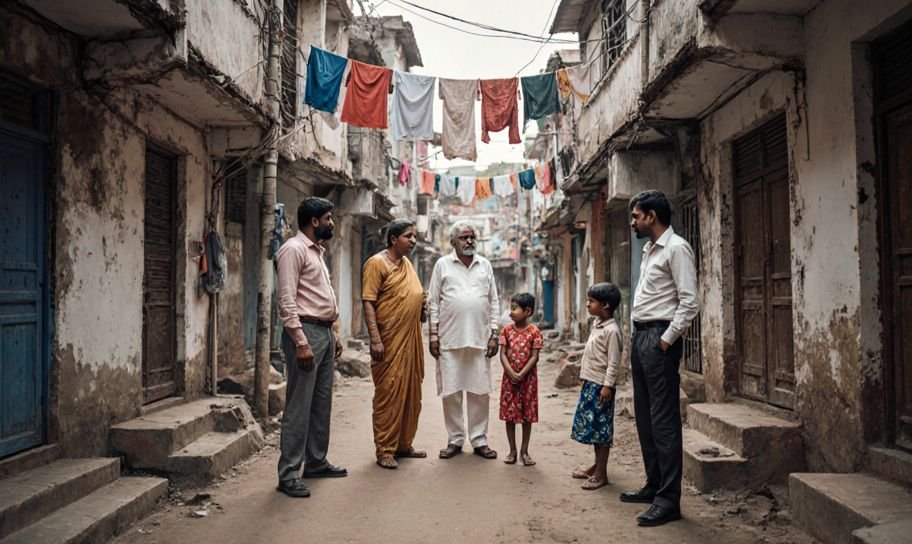
The residents, including Manik Gajanan Thakur and others, argued that their homes have been there since before 1962. They showed evidence like ration cards from 1987, property tax bills from 1988-1989, and electricity bills from 1987, proving they have lived there for a long time.
"Our homes have been here for decades," they insisted, supported by documents from the Mhatre family, the original landlords.
Even though the residents replied on March 27, 2025, the BMC's appointed official issued a decision on April 29, 2025, without considering their evidence. The residents claimed this action was influenced by the new landlord wanting to redevelop the area.
Justice Milind N. Jadhav, on January 5, 2026, canceled the BMC's warnings, pointing out that the notices were unclear and that there was strong evidence showing the residents had a right to stay.
"The notice is as unclear as it can be," Justice Jadhav noted, stressing the need for fair treatment.
The court's decision protects the residents from any forceful actions by the BMC until the final decision of the case. The judgment highlights the importance of fair treatment and properly looking at evidence in legal matters.
This ruling is a big win for the residents of Rakhmabai Mhatre Chawl and sets an example for similar cases where redevelopment pressures threaten long-standing communities. The court's focus on fair treatment and careful examination of evidence serves as a reminder of the judiciary's role in protecting people's rights.