The Bombay High Court recently found not guilty three people accused of serious crimes in Sangli. Here's a breakdown of what happened.
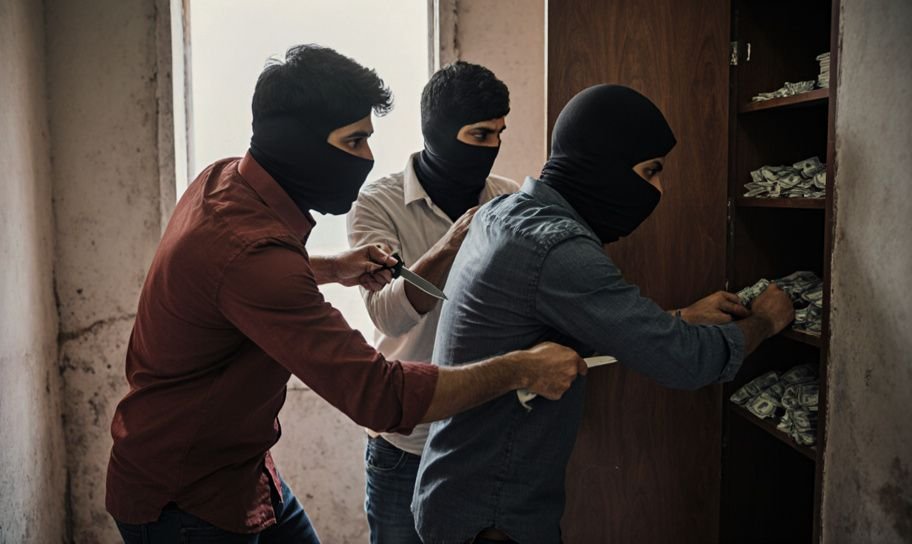
In 2012, a young woman was found dead in a well in Sangli, Maharashtra. The accused, Lakhya Sargar, Anuj Pawar, and Dadaso Athawale, were charged with group assault, murder, and hiding evidence. The trial court initially found them guilty, but they appealed the decision.
The Murder and Assault Charges
The court looked closely at the evidence and found it didn't add up. The medical report showed the victim died from strangling, but the prosecution couldn't convincingly prove that Lakhya Sargar, Anuj Pawar, and Dadaso Athawale were involved.
"The prosecution has failed to prove the chain of circumstances... so as to point towards the only hypothesis that, except the Appellants, no other person has committed the crime."
Problems with Evidence
The court noted several problems: - Witness Testimonies: The witness statements were inconsistent and unreliable. Witnesses failed to report important information quickly. - CDR Evidence: Phone records showed contact between Lakhya Sargar, Anuj Pawar, and Dadaso Athawale but did not conclusively prove they were involved in the crime. - Physical Evidence: The recovery of items like condoms and liquor bottles was deemed unreliable due to mistakes in how they were collected.
The judges, Suman Shyam and Shyam C. Chandak, concluded that the evidence was not enough for a guilty verdict. They emphasized the need for a complete and reliable chain of evidence in cases based on indirect evidence.
"A reasonable doubt lingers with respect to the probability or conclusiveness of the circumstance relied on by the prosecution."
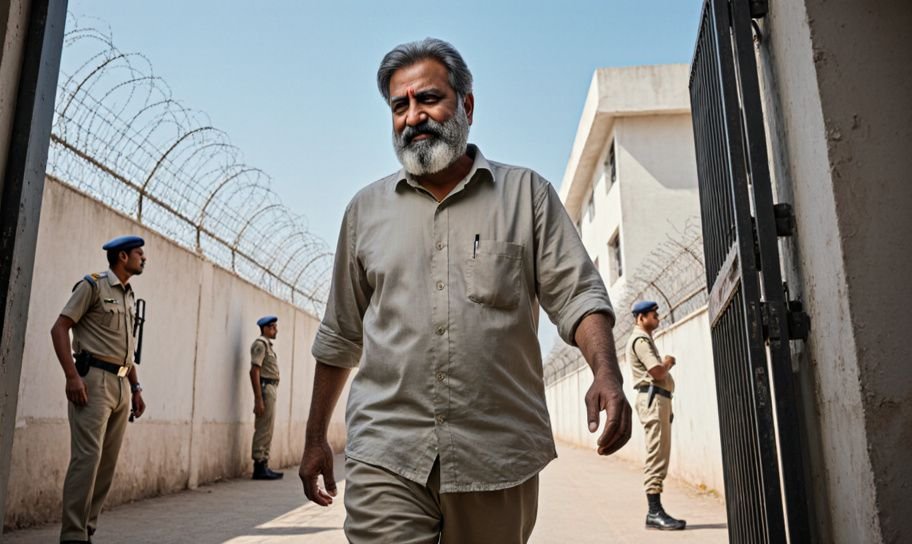
The court found Lakhya Sargar, Anuj Pawar, and Dadaso Athawale not guilty, ordering their immediate release unless held for other charges. This case highlights the need for careful investigation and reliable evidence in securing guilty verdicts.