Here's the scoop: Gurudatta Infrastructures' bid for a bus station project in Nashik got rejected because of a missing signature. They took it to court, but things didn't go their way.
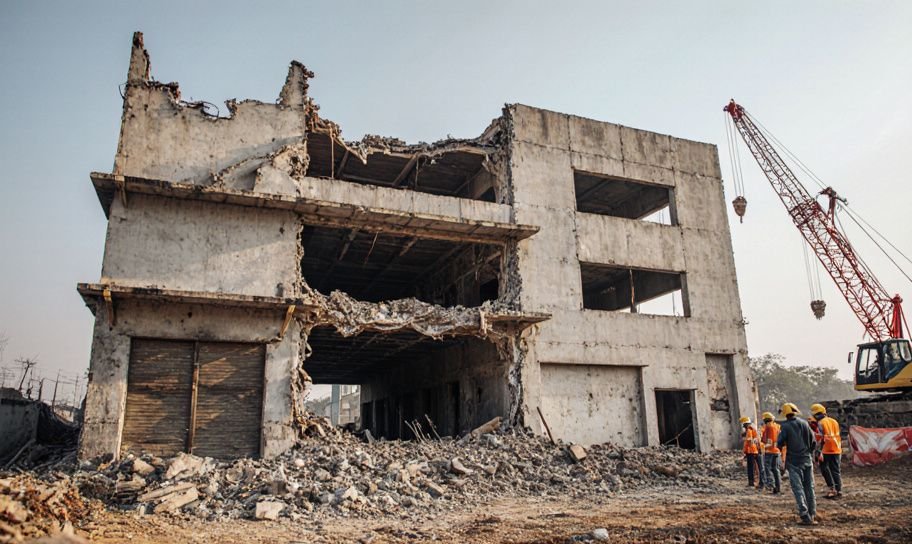
Gurudatta Infrastructures, a partnership firm, filed a request in the Bombay High Court. They were upset that their bid for rebuilding a bus station at Dindori, Nashik, was rejected. The reason? Their technical bid didn't have a signature from the Divisional Engineer on a Geo-tagging report.
The case was heard by Chief Justice Shree Chandrashekhar and Justice Gautam A. Ankhad. Gurudatta Infrastructures argued that the missing signature was a small issue and claimed the Divisional Engineer purposely didn't sign the document. They wanted the court to allow their bid despite this.
“The action of the Divisional Engineer in not providing signature over Annexure-IV was intentional and actuated with bias,” argued Gurudatta's lawyer.
The other side, including MSRTC and the successful bidder M/s. R. K. Infraconstro Pvt. Ltd., argued that Gurudatta Infrastructures had no right to demand participation in the bidding process. They said that the tender process was fair and the rules were clear.
The court dismissed Gurudatta Infrastructures' request. It emphasized that the tender requirements were clear and that the court should not interfere unless there was evidence of bias or unfairness.
“The importance of the tendering process and insistence of the Employer to follow the tender conditions should not be weakened.”
This case highlights the importance of following tender requirements exactly. Even small technical issues can lead to disqualification. It also shows that courts are reluctant to interfere in technical matters unless there's clear evidence of wrongdoing.
In the end, Gurudatta Infrastructures' bid was rejected, and the court upheld the decision, maintaining the integrity of the tender process.