Summary: In a recent decision by the Bombay High Court on January 28, 2026, a young man's dream to join the CISF was saved. The court decided that a slight lisp shouldn't stop him from being considered for the job.
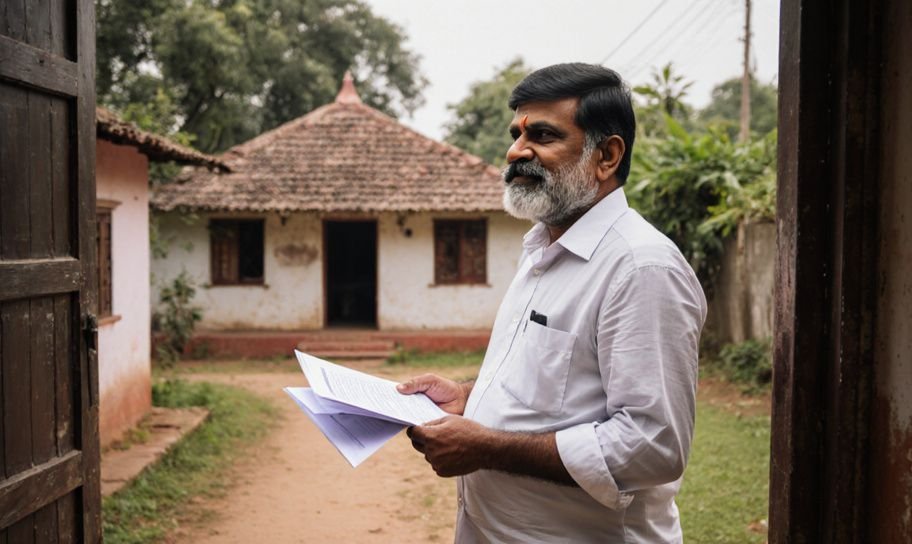
Yadav Vaibhav Ravindra Kumar, a 25-year-old student from Nallasopara (East), Palghar, Maharashtra, was first told he couldn't join the CISF because of a slight lisp. He was labeled as not fit for the job, even though he was otherwise healthy and ready for the role.
During the medical check-up, Yadav was found to have a speech issue—a slight lisp. At first, they also mentioned a chest condition called "Pectus Excavatum," but that was later ignored. The main focus was on his lisp, which the medical board said might affect how well he could communicate in situations where he needed to give orders.
"A Lisp is a type of speech problem where sounds like S and Z are not pronounced correctly," the medical report explained.
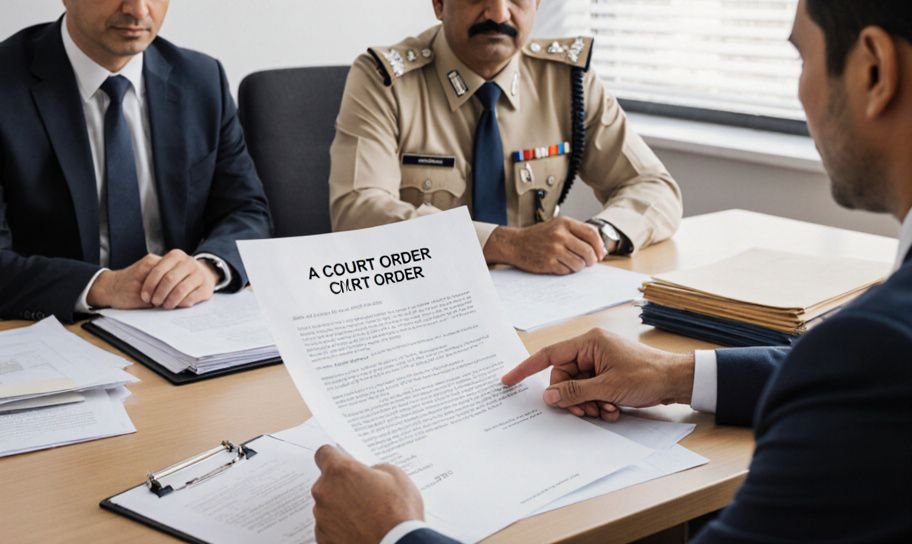
The court, led by Judges Ravindra V. Ghuge and Abhay J. Mantri, looked over the rules for medical checks in the Central Armed Police Forces. They found that while stammering is listed as a reason to be disqualified, a slight lisp is not specifically mentioned.
The court chose to give Yadav a chance. They canceled the decision to disqualify him because of the slight lisp and allowed him to keep going in the selection process.
"We have only canceled the objection of a slight lisp at this stage," the decision explained.
Yadav is encouraged to work on his speech through exercises or therapy. If he moves to a role where he needs to give loud commands, the authorities might check his speech again. The court stressed that any future decisions would depend on whether the lisp still causes problems.
This decision shows how important it is not to let small speech issues block career goals, especially when they don't greatly affect job performance.