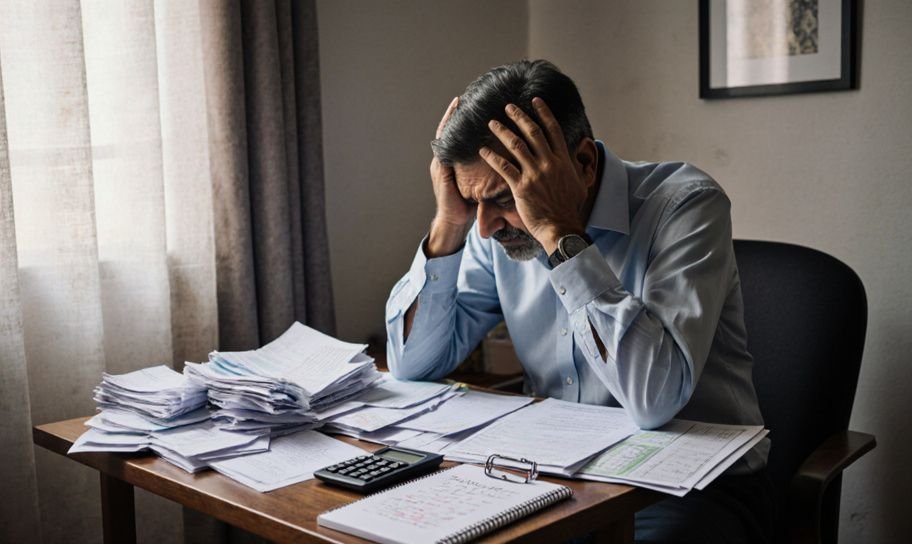
Quick Summary: A dance teacher from Mumbai, Mehul Jagdish Trivedi, tried to be declared unable to pay his debts to avoid paying support money to his wife. The court said no, and he still has to pay.
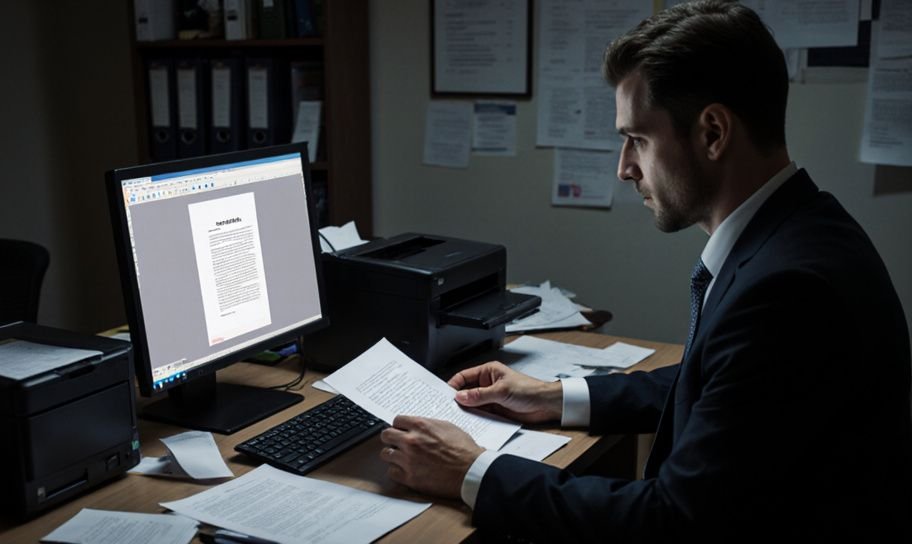
Mehul Jagdish Trivedi, a dance teacher living in Mumbai, was told by the Family Court to pay his wife, Manisha, Rs. 25,000 every month. He claimed he couldn't afford it because he only makes between Rs. 12,000 to Rs. 15,000 monthly. The unpaid amount had piled up to Rs. 22,30,000.
Mehul filed a request under the Presidency-Towns Insolvency Act, 1909, hoping to be declared unable to pay his debts. He argued that his debts were more than Rs. 500, which he thought qualified him for protection from paying them. He wanted the court to stop the Family Court’s order from being carried out.
"The person asking for help cannot use the Insolvency Act to change or avoid the order given by the Family Court."
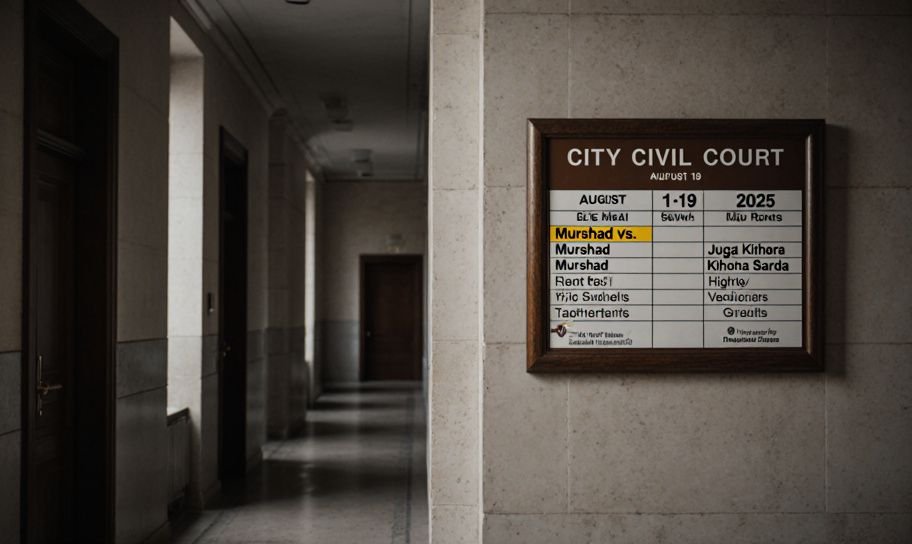
Judge Jitendra Jain turned down Mehul's request. The judge explained that just because Mehul asked to be declared unable to pay his debts, it didn’t mean the court had to agree. The court can decide based on the details of the situation.
No Jail Time: Mehul wasn't put in jail for his debts, which is needed for the court to consider an insolvency request.
Family Court Order: The court stressed that the insolvency law cannot be used to avoid responsibilities like paying support money, which is seen as a moral duty, not a debt.
Other Legal Actions: Mehul had already questioned the Family Court's decision in another request. The court saw his insolvency request as an attempt to delay or avoid the support money order.
The court mentioned a previous case to show that support money isn't a debt but a legal responsibility. The judge noted that insolvency laws are not meant to free someone from such duties.
"The goal of insolvency law is not to take away the support and maintenance due from the husband to the wife and children."
In the end, Mehul's attempt to be declared unable to pay his debts was dismissed, and he remains obligated to pay the support money as ordered by the Family Court.