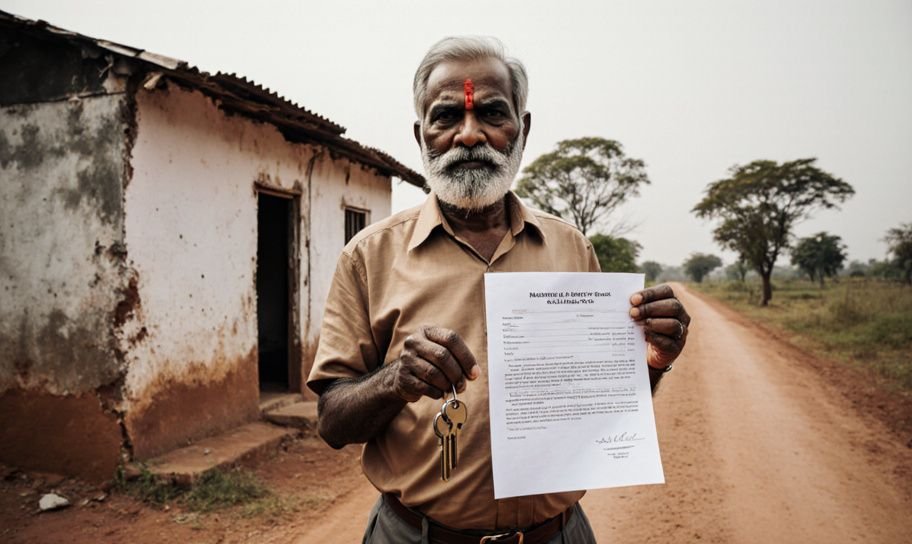
Quick Summary: Premkumar's request to divide the family property was turned down by the Madurai Bench of Madras High Court. The court confirmed that the property in question belonged solely to Premkumar's father, Murugan, and was not passed down from earlier generations.
Premkumar and his sisters, M. Vasanthi and M. Selvi, wanted a share of the family property. They claimed it was passed down through the family and demanded their shares. However, their father, Murugan, sold the property to someone else in 2004. Premkumar argued that the sale was not legitimate.
The trial court in Tenkasi had already decided against Premkumar back in 2017. They found that the property was originally bought by Premkumar's grandfather, Pitchiah, in 1966 and was not passed down through the family. The court said it was Murugan's own property, and he could sell it if he wanted.
Premkumar's lawyer argued that even if the property was divided among Pitchiah's sons, it should still be seen as family property once Premkumar was born. They mentioned past legal cases to support this, claiming that Premkumar should have a share.
On November 25, 2025, Judges C.V. Karthikeyan and R. Vijayakumar agreed with the trial court's decision. They confirmed that the property was Murugan's to sell, and Premkumar had no automatic right to it. The court also dismissed concerns about dividing the property and court fees.
This case shows how property laws can impact family disagreements. The court's decision was based on the Hindu Succession Act, which states that property inherited by a son after 1956 is not automatically considered family property.
Premkumar's request was denied, and the original decision remained unchanged. This case highlights the challenges in understanding property inheritance laws.