Quick Summary: Vijay Gupta's request for bail was initially turned down because it was too long. The Delhi High Court has now asked for it to be looked at again, stressing that the actual details of the case should be more important than how long the request is.
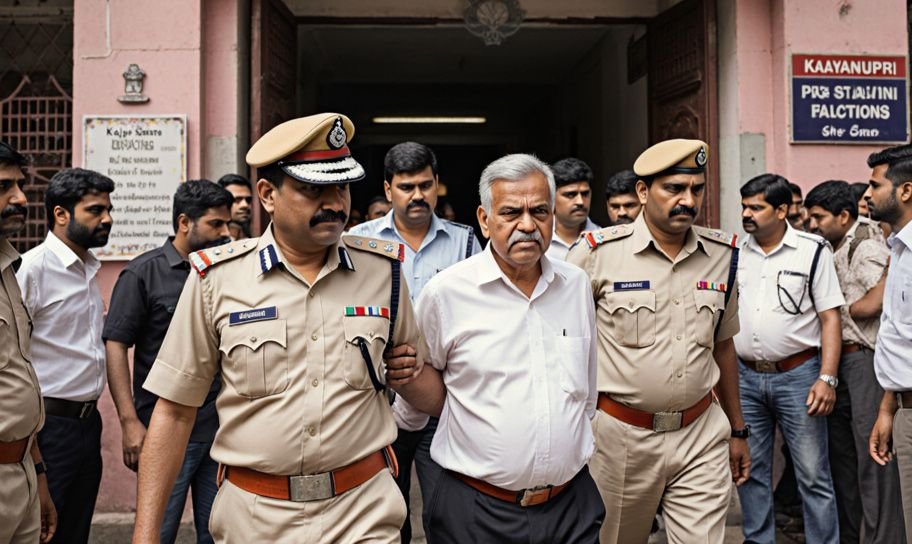
On August 30, 2024, Vijay Gupta was arrested in connection with a police report filed at Kalyanpuri Police Station, Delhi. He was charged under Section 65(2) of the Bharatiya Nyaya Sanhita, 2023, and Sections 6 and 21 of the Protection of Children from Sexual Offences Act, 2012. His first request for bail was denied on November 16, 2024, without considering video evidence he claimed showed he was somewhere else during the incident.
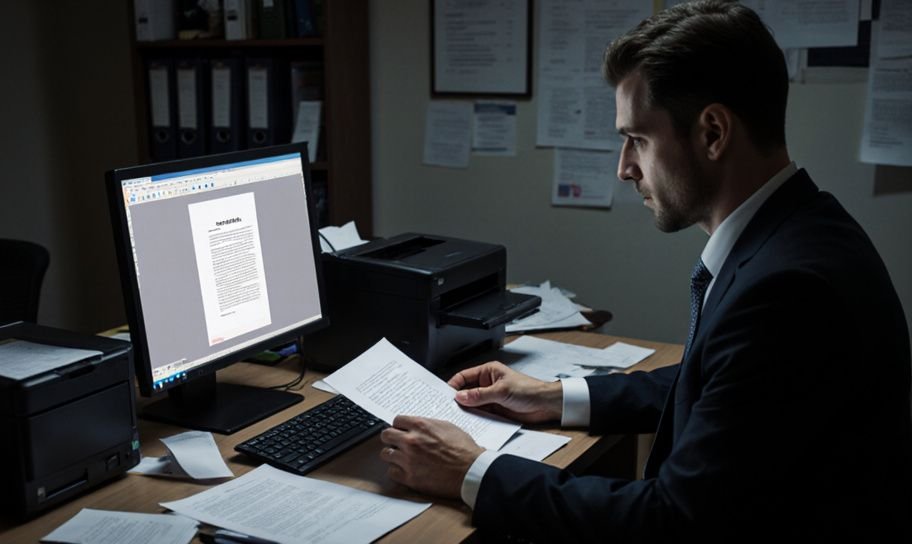
Vijay submitted a second request for bail on October 4, 2025. This request was rejected on October 17, 2025, by the Special Court POCSO/ASJ-01 at Karkardooma Courts, Delhi, for being too long, consisting of about 500 pages. The court suggested Vijay submit a shorter request.
Vijay’s lawyer argued that rejecting the request without looking at its actual points was unfair. The request included a claim that the reasons for his arrest were not communicated to him, which was ignored by the trial court.
"Rejecting the bail request just because it is too long is clearly unfair."
The trial court mentioned its busy schedule as a reason for rejection, but the High Court stressed that court time is meant for deciding such matters. The High Court noted that most of the long request was made up of supporting documents, not the main arguments.
Justice Swarana Kanta Sharma of the Delhi High Court found the rejection legally wrong. The court pointed out that the length of the request should not stop a fair hearing.
"A person's freedom should not depend on how their lawyer writes the request."
The High Court canceled the rejection order dated October 17, 2025, and sent the case back to the trial court. The trial court is instructed to look at the bail request based on its actual points within ten days, making sure both sides have a fair chance to present their arguments.