Summary: The Delhi High Court canceled a decision that favored Steel Authority of India Limited (SAIL) against Primetals Technologies India Private Limited, saying that the person who made the decision went beyond what was agreed in the contract.
The story begins with a contract signed on October 12, 2007, between Primetals Technologies India Private Limited and SAIL for a power supply facility at Bhilai Steel Plant. The contract, valued at ₹18.45 crore, included a promise for a minimum CENVAT credit of ₹2.16 crore.
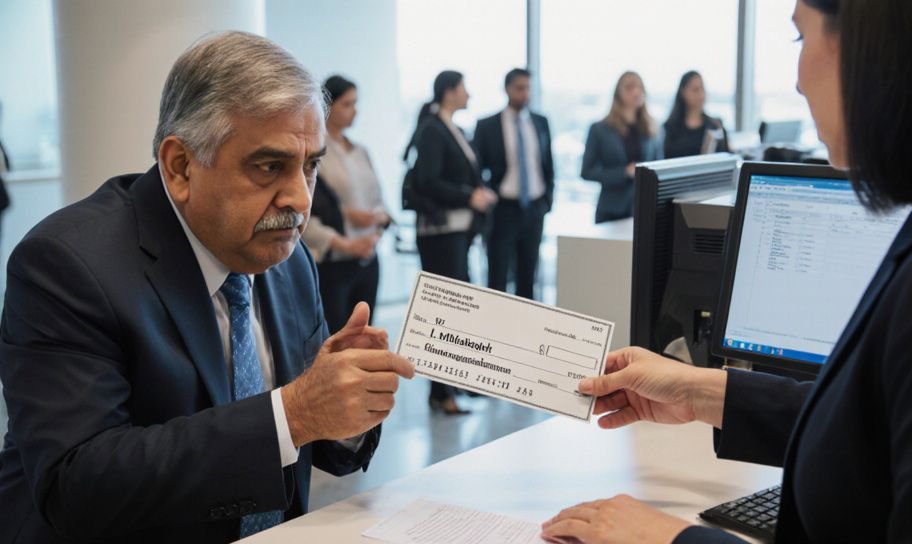
Primetals finished the project, but a problem came up when SAIL took ₹1.07 crore from Primetals' bills because they didn't meet the promised CENVAT credit. Primetals disagreed with this and took the issue to a neutral third party on February 7, 2022.
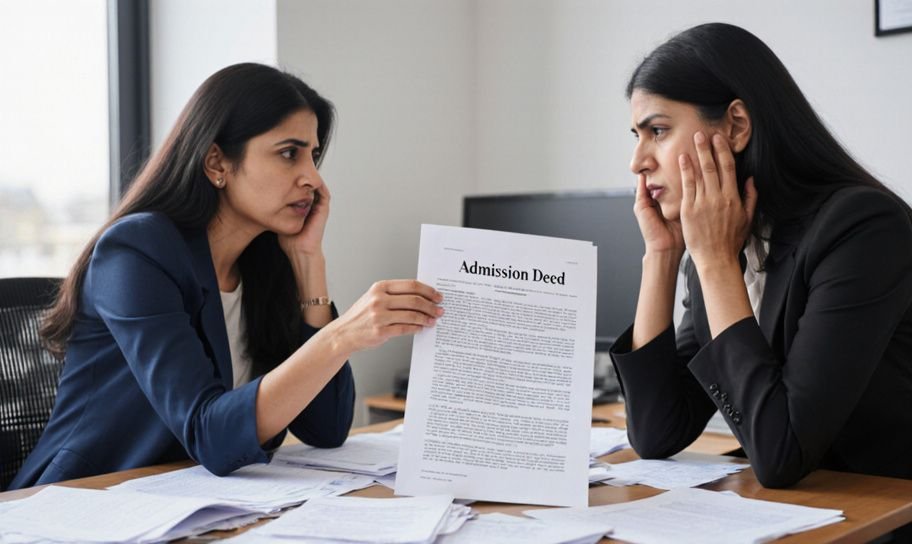
The neutral third party decided against Primetals, agreeing with SAIL's decision to take the money. However, Primetals argued that the neutral third party misunderstood the contract, especially the parts about CENVAT credit and changes in taxes.
Justice Avneesh Jhingan of the Delhi High Court found that:
On February 23, 2026, the court declared the decision by the neutral third party invalid because of obvious mistakes, as they went beyond what they were allowed to do by changing the contract terms. The money taken was not supported by any contract part.
The court's decision shows how important it is to follow the contract exactly during disputes. Justice Jhingan stressed that those deciding on disputes must work strictly within the contract's boundaries, ensuring fairness and legal correctness.