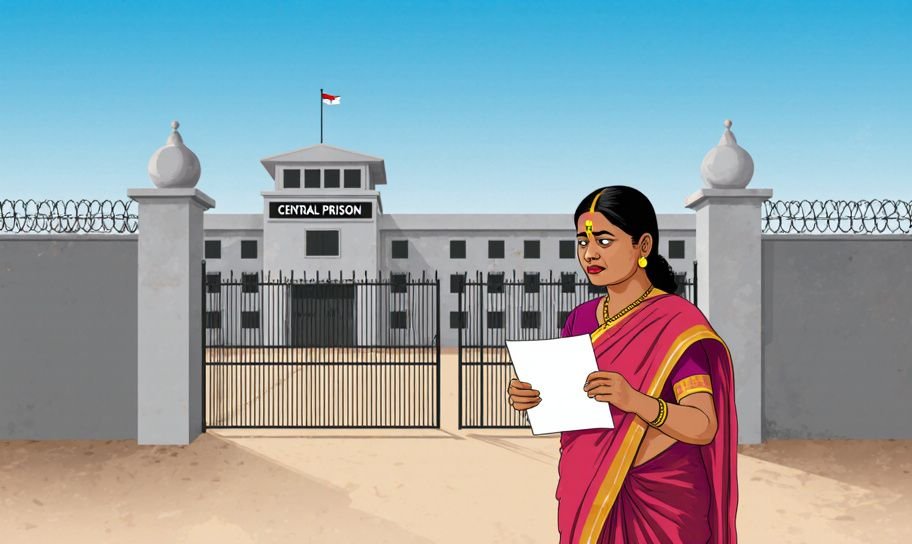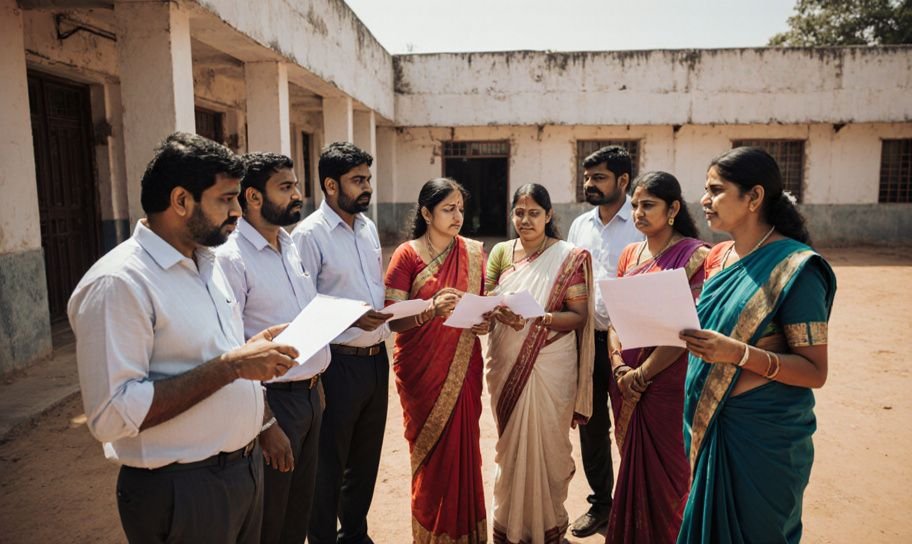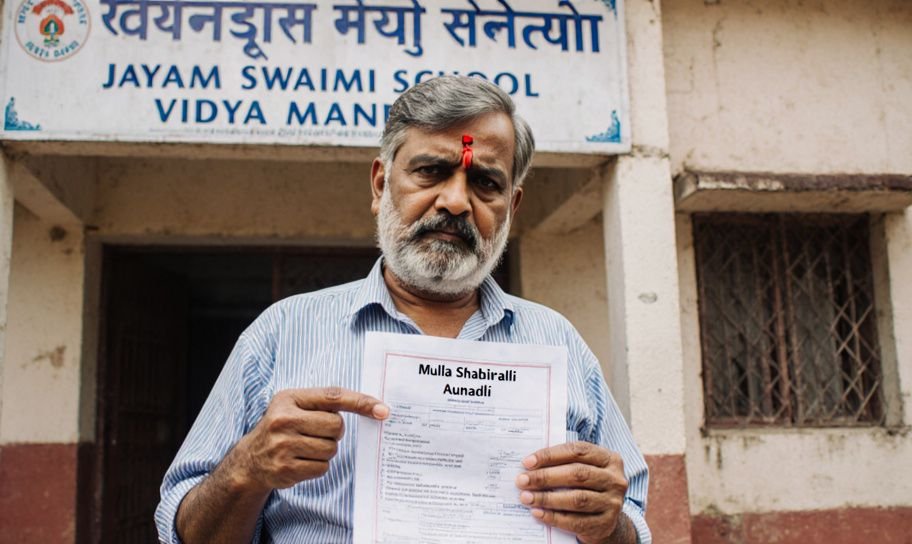
Hey everyone! Today, we're diving into a significant court case involving the Union of India and Ex GNR Jaid Vidhur Vishwanathrao, among others, about disability pensions for military personnel. Let's break it down!
This case, heard in the Bombay High Court, was about the Union of India's challenge to the Armed Forces Tribunal's decision to give disability pensions to various military personnel. The main question? Whether these disabilities were caused or made worse by military service.
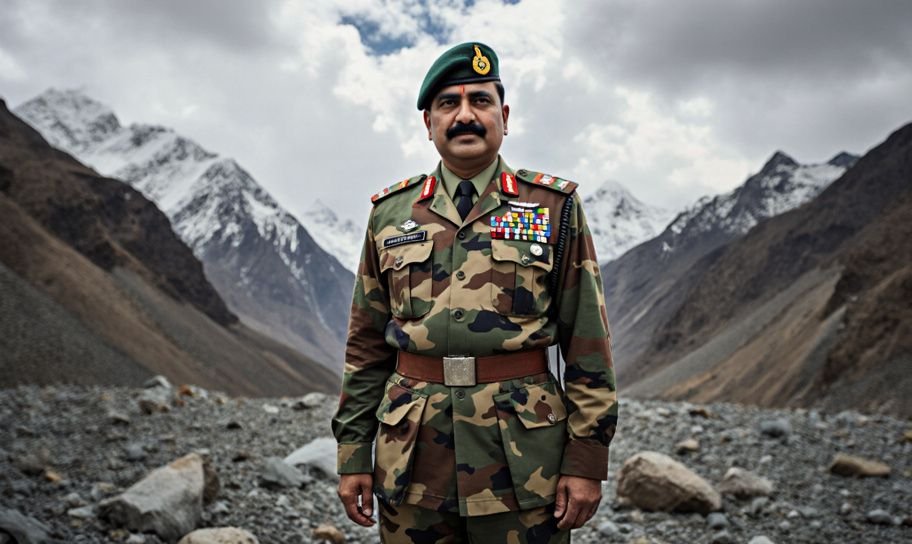
Lt. Col. S.K. Rathore served for over 23 years and had to retire early on July 1, 2003, because of health problems like Diabetes Mellitus and Primary Hypertension. He worked in tough places like Imphal, Ladakh, and during operations like Parakram. Sadly, he passed away from pancreatic cancer on November 1, 2014.
"His health was affected due to continued difficult service conditions as an Infantry Officer."
However, the Invaliding Medical Board called his diabetes a "constitutional disorder" not linked to his service, denying him a disability pension.
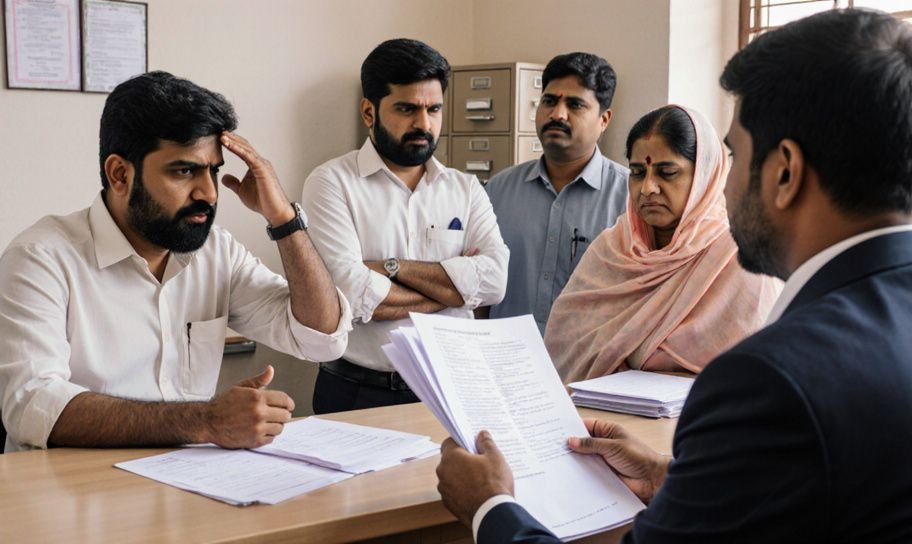
The Union of India, represented by Mr. Amarendra Mishra, argued that the Medical Board's opinion, which found these conditions as lifestyle diseases unrelated to military service, should be final. They said that not every disease that appears during service is because of service conditions.
The Tribunal disagreed and granted disability pensions by rounding off the disability to 50% or more. They emphasized that service conditions contributed to or worsened these health issues.
The court, led by Chief Justice Shree Chandrashekhar and Justice Gautam A. Ankhad, found that the Tribunal correctly interpreted the rules. They emphasized that military personnel should not have to prove their disabilities are related to service.
"Pension is not a gift given at the government's discretion."
The judgment reinforced that disability pensions are a right for those whose service has impacted their health. The court dismissed the Union of India's petitions, supporting the Tribunal's decision to grant pensions.