Summary: A group involved in a brutal murder in Nagpur was sentenced to life imprisonment. The case revolved around Mahesh Devgune and others who attacked and killed a local resident. The court rejected their attempts to overturn the decision, confirming their guilt.
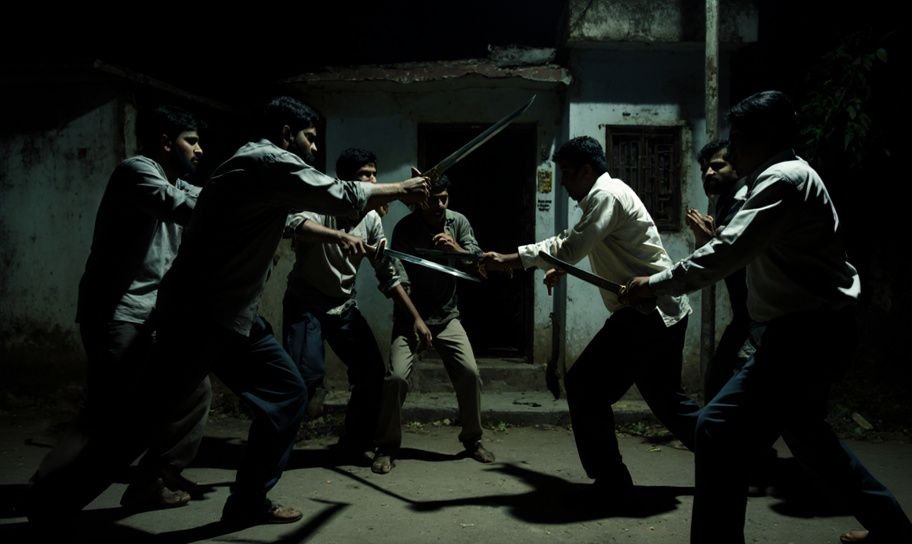
On January 19, 2011, a violent fight happened in Timki Mochipura, Nagpur. The conflict started over money issues between Guddu Laxman Shendekar and Rajesh Ramprasad Kuhikar. That night, Mahesh Devgune and his friends, carrying swords and knives, attacked Dinesh Shendekar, leading to his death.
"The accused persons came in front of his house possessing in their hands swords..." - Court Document
The police investigation was thorough. Officers collected evidence from the crime scene, including weapons and clothing with blood on them. Witnesses, including Amol Kumbhalkar, who was hurt during the attack, gave statements. Medical checks confirmed the injuries of the victims and those accused.
The trial took place at the Nagpur Bench of the Bombay High Court. Judges Urmila Joshi-Phalke and Nandesh S. Deshpande were in charge of the case. The prosecution presented evidence from 14 witnesses, including medical experts and people who saw what happened. Even though the defense tried to question the reliability of the witnesses and the timing of evidence collection, the court found the evidence convincing.
"The evidence adduced by the medical officer, corroborated by the inquest panchanama, shows that the deceased died homicidal death." - Court Document
On January 14, 2026, the court rejected the appeals of Mahesh Devgune and his co-accused. They were found guilty under several sections of the Indian Penal Code, including Section 302 for murder. The court highlighted the role of each person in the group that led to the murder.
"The prosecution has proved the guilt of the accused persons unmistakenly to point out that being the members of the 'unlawful assembly'..." - Court Document
The court confirmed the life sentences for Mahesh Devgune and his co-accused, emphasizing their involvement in the murder and the seriousness of their actions.