Quick Summary: The Bombay High Court agreed with the Armed Forces Tribunal's decision to give disability pensions to several military personnel. The court looked at multiple cases where disabilities were claimed to have worsened due to military service, even though the Medical Board initially rejected these claims.
Background of the Case
The case involves several legal challenges filed by the Union of India against the Armed Forces Tribunal's orders. These orders had granted disability pensions to military personnel from the Army and Navy, who claimed their disabilities were worsened by their service conditions.
Key Judgment Details
- Judges Involved: The decision was made by Shree Chandrashekhar, CJ, and Gautam A. Ankhad, J., on January 23, 2026.
- Date of Reserve: The case was set aside for decision on December 8, 2025.
Disability Pension Criteria
- Eligibility: A disability pension can be given if the disability is caused or worsened by military service and is rated at 20% or more.
- Conditions Covered: Disabilities like high blood pressure, diabetes, and other medical conditions were considered.
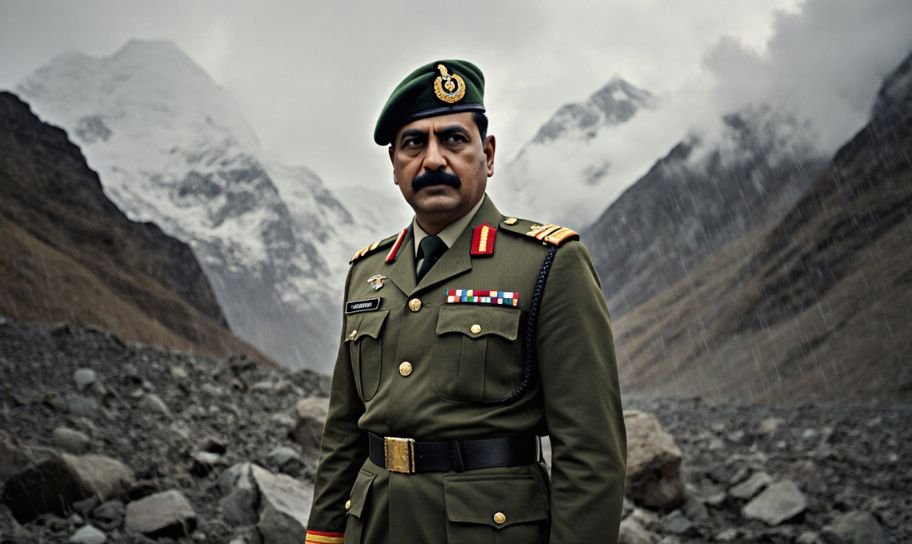
Lead Case: Lt. Colonel S.K. Rathore
- Service Details: Lt. Col. Rathore served in tough locations like Imphal and Ladakh and took part in operations such as Rakshak and Parakram.
- Medical Findings: Diagnosed with Diabetes Mellitus worsened by service conditions.
- Outcome: Despite initial rejection, the Tribunal granted a disability pension, acknowledging the service-related worsening.
"The Tribunal held that the disability occurred in Lt. Colonel S.K. Rathore due to service conditions or was worsened by the military service."
Other Notable Cases
- Ex-Havildar Chandrakant Pote: Diagnosed with Chronic Myeloid Leukemia and high blood pressure, both considered not related to service by the Medical Board.
- Col. Gulab Yasin Tamboli: Detected with Type II Diabetes at a peaceful location, deemed not service-related.
- Major Rajgopalan: Suffered from Cervical Spondylosis, considered a natural condition.
Legal Arguments
- Union of India: Argued that the Medical Board's opinions should be final and that lifestyle diseases are not related to service.
- Respondents: Argued that military service conditions contributed to or worsened their health issues.
Court's Observations
- Tribunal's Role: The court emphasized that the Tribunal can review Medical Board opinions if they lack reasoning or are unfair.
- Pension Entitlement Rules: The rules require a connection between service and disability but do not automatically deny benefits if conditions arise during service.
Verdict Summary
The court dismissed the legal challenges filed by the Union of India, supporting the Tribunal's decision to grant disability pensions. The judgment reinforces the importance of considering service conditions in disability cases and ensures that military personnel receive due benefits for service-related health issues.
"Pension is not a gift given at the government's will. The right to pension is an important right held by a government worker."
This judgment highlights the court's commitment to upholding the rights of military personnel, ensuring they receive the benefits they deserve for their service and sacrifices.